-
$283.50
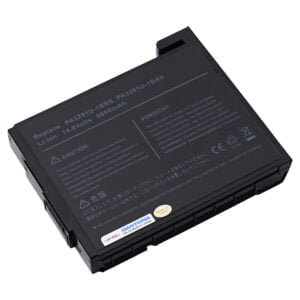
$326.02Toshiba PA3291U-1BAS PA3291U-1BRS Battery For Toshiba Satellite P20 Series Satellite P25 Series
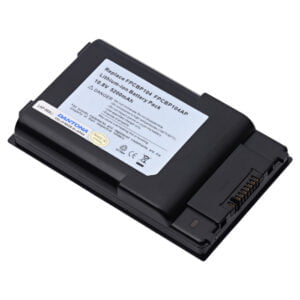
Dantona14.8V$199.88$229.86Fujitsu FPCBP104 FPCBP104AP Battery For Fujitsu Lifebook N6110 Lifebook N6410 Lifebook N6420
Dantona10.8V$191.25$219.94Briggs & Stratton 1760265, 1760514, 1760967, BSB2AH82, BSB4AH82, BSB5AH82 CS-BSB282PW
Briggs & Stratton82.0VBriggs & Stratton
$151.10$173.77Bosch 2 607 336 003, 2 607 336 004, 2 607 336 107, 2 607 336 108, BAT810, BAT836, BAT838, BAT840, D-70771 CS-BST836PX
Bosch36.0VBosch
$150.30$172.85Ryobi ABP1801, ABP1803, BCP1817/2SM, BPL1815, BPL-1815, BPL18151, BPL1820, BPL-1820G, BPP-1813, BPP-1815, BPP-1817, BPP-1817/2, BPP-1817M, BPP-1820, P102, P103, P104, P105, P106, P107, P108, P193, P194, RB18L25 CS-RTB820PH
Ryobi18.0VRyobi
Lithium batteries come in various chemistries, including lithium-ion (Li-ion), lithium polymer (LiPo), and lithium iron phosphate (LiFePO4). Each chemistry has its own set of characteristics, such as energy density, safety, and cost.
Energy Density: One of the primary advantages of lithium batteries is their high energy density, which means they can store a significant amount of energy in a relatively small and lightweight package. This makes them ideal for portable devices where size and weight are crucial factors.
Rechargeability: Lithium batteries are rechargeable, allowing users to charge and discharge them multiple times. They have a relatively low self-discharge rate, which means they can hold their charge for extended periods when not in use.