-
$30.00
$34.50Black & Decker LB20, LB2X4020, LBX20, LBXR20, LBXR2020, LBXR20B, LBXR20-OPE CS-BPL120PW
Bostitch20.0VBlack & Decker
$30.00$34.50AEG 3520, 3526, 4932, 4932352824, 584932, 954932, L1215, L1215P, L1215R, L1220, L1230, L1230R, L1240 CS-RDD860PW
AEG12.0VAEG
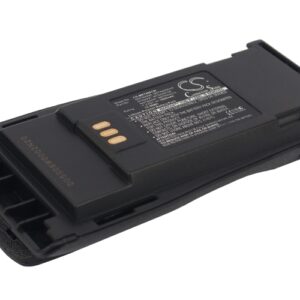
$30.00$34.50Motorola MNN4254AR, NNTN4496, NNTN4496AR, NNTN4497, NNTN4497A, NNTN4497AR, NNTN4851, NNTN4851A, NNTN4851AC, NNTN4851AR, NNTN4851R, NNTN4970, NNTN4970A, NNTN4970AR, NTN4496, NTN4497, NTN4497AR, NTN4970, PMNN4251, PMNN4252AR, PMNN4253AR, PMNN4254 CS-MKT496TW
Motorola7.2VMotorola
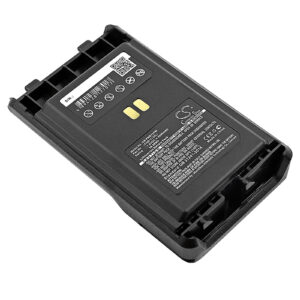
$30.02$34.52Icom BJ-2000, BP-230, BP-230N, BP-231, BP-231N, BP-232, BP-232H, BP-232N, BP-232WP CS-ICM233TW
Icom7.4VIcom
Lithium batteries come in various chemistries, including lithium-ion (Li-ion), lithium polymer (LiPo), and lithium iron phosphate (LiFePO4). Each chemistry has its own set of characteristics, such as energy density, safety, and cost.
Energy Density: One of the primary advantages of lithium batteries is their high energy density, which means they can store a significant amount of energy in a relatively small and lightweight package. This makes them ideal for portable devices where size and weight are crucial factors.
Rechargeability: Lithium batteries are rechargeable, allowing users to charge and discharge them multiple times. They have a relatively low self-discharge rate, which means they can hold their charge for extended periods when not in use.