-
$54.62
$62.81Toshiba PA5212U-1BRS, PA5247U-1BRS, PA5265U-1BRS, PA5283U-1BRS, PA5291U-1BRS, PABAS283, PABAS286, PABAS287, PABAS288, PABAS289 CS-TOA500NB
TOSHIBA14.8VToshiba
$37.52$43.15Asus 0B110-00240100E, 1566-6868, A31LM2H, A31LM9H, A31LMH2, A31N1302, A3INI302, A3lNl302 CS-AUX200NB
Asus11.25VAsus
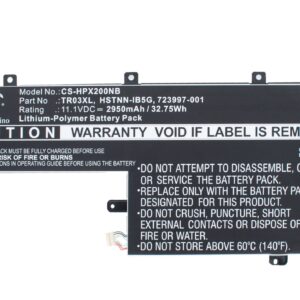
$55.00$63.25HP 723922-171, 723922-2B1, 723997-001, G96TA016H, HSTNN-DB5G, HSTNN-IB5G, TR03XL CS-HPX200NB
HP11.1VHP
$56.25$64.69Acer 1430-4768, 1430-4857, AK.006BT.073, AL10C31, AL10D56, BT.00603.113, BT.00605.064, LC.BTP00.130 CS-AC1830NB
Acer11.1VAcer
$52.50$60.37Acer UM09A31, UM09A41, UM09A71, UM09A73, UM09A75, UM09B31, UM09B34, UM09B71, UM09B73, UM09B7C, UM09B7D CS-ACZG7NK
Acer11.1VAcer
Lithium batteries come in various chemistries, including lithium-ion (Li-ion), lithium polymer (LiPo), and lithium iron phosphate (LiFePO4). Each chemistry has its own set of characteristics, such as energy density, safety, and cost.
Energy Density: One of the primary advantages of lithium batteries is their high energy density, which means they can store a significant amount of energy in a relatively small and lightweight package. This makes them ideal for portable devices where size and weight are crucial factors.
Rechargeability: Lithium batteries are rechargeable, allowing users to charge and discharge them multiple times. They have a relatively low self-discharge rate, which means they can hold their charge for extended periods when not in use.