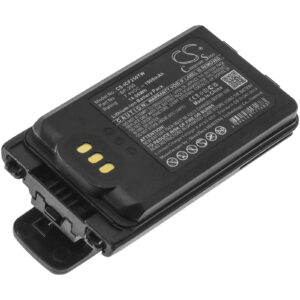
-
$35.14
$40.41Vertex AAJ67X001, AAJ68X001, FNB-V133Li, FNB-V134Li, FNB-V138Li CS-FVX530TW
Motorola7.4VVertex
$35.57$40.91Asus 70-NLF1B2000, 70-NLF1B2000Y, 70-NLF1B2000Z, 90-NLF1B2000Y, A32-F5, A32-X50, BATAS2000 CS-AUF5NB
Asus11.1VAsus
$35.57$40.91Zebra AT16004, BTRY-MPP-34MA1-01, BTRY-MPP-34MAHC1-01, P1023901, P1023901-LF, P1031365-025, P1031365-059, P1031365-069, P1051378 CS-ZQL220BL
ZEBRA7.4VZebra
$35.57$40.91Zebra AT16004, BTRY-MPP-34MA1-01, BTRY-MPP-34MAHC1-01, P1023901, P1023901-LF, P1031365-025, P1031365-059, P1031365-069, P1051378 CS-ZQL220BX
ZEBRA7.4VZebra
Lithium batteries come in various chemistries, including lithium-ion (Li-ion), lithium polymer (LiPo), and lithium iron phosphate (LiFePO4). Each chemistry has its own set of characteristics, such as energy density, safety, and cost.
Energy Density: One of the primary advantages of lithium batteries is their high energy density, which means they can store a significant amount of energy in a relatively small and lightweight package. This makes them ideal for portable devices where size and weight are crucial factors.
Rechargeability: Lithium batteries are rechargeable, allowing users to charge and discharge them multiple times. They have a relatively low self-discharge rate, which means they can hold their charge for extended periods when not in use.