-
$43.87
$50.45Acer 31CP5/65/88, 31CP5/67/90, AP13J3K, AP13J3K(3ICP5/67/90), AP13J4K, AP13J4K(3ICP5/65/88), AP13J7K, KT.00303.001, KT.00303.011, KT.00304.001, KT.00307.006, KT00304001, ZU12029-13020 CS-ACC720NB
Acer11.25VAcer
$43.87$50.45Intermec 318-026-001, 318-026-003, 318-027-001, 55-0038-000, AB13 CS-ITR500BL
Intermec14.4VIntermec
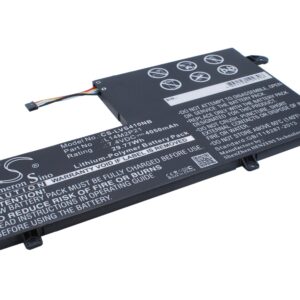
$44.67$51.37Lenovo 5B10G78610, 5B10G78612, 5B10K10182, 5B10K10229, 5B10M49822, 5B10M49823, 5B10M49825, 5B10M52815, 5B10M52816, 5B10M52818, 5B10Q39203, 5B10Q39204, 5B10Q39206, 5B10W67199, 5B10W67232, 5B10W67294, L14L2P21, L14M2P21, SB10W67161, SB10W67207, SB10W67230 CS-LVS410NB
Lenovo7.4VLenovo
$44.67$51.37HP 760944-421, 760944-541, 761230-005, 767068-005, HSTNN-LB6L, NP03XL, TPN-Q146, TPN-Q147, TPN-Q148, TPN-Q149 CS-HPX361NB
HP11.4VHP
Lithium batteries come in various chemistries, including lithium-ion (Li-ion), lithium polymer (LiPo), and lithium iron phosphate (LiFePO4). Each chemistry has its own set of characteristics, such as energy density, safety, and cost.
Energy Density: One of the primary advantages of lithium batteries is their high energy density, which means they can store a significant amount of energy in a relatively small and lightweight package. This makes them ideal for portable devices where size and weight are crucial factors.
Rechargeability: Lithium batteries are rechargeable, allowing users to charge and discharge them multiple times. They have a relatively low self-discharge rate, which means they can hold their charge for extended periods when not in use.