-
$48.48
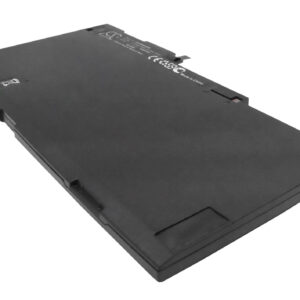
$55.75HP 849048-421, 849049-421, 849314-850, 849314-856, 849315-850, 849315-856, HSTNN-LB7E, HSTNN-LB7F, SG03041XL, SG03061XL, SG03061XL-PR, SG03XL, SGO3XL, TPN-I126 CS-HPM700NB
HP11.55VHP
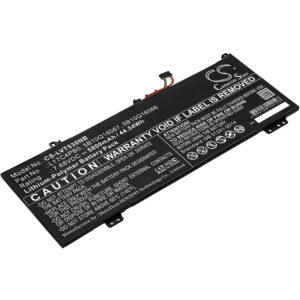
$48.63$55.92Lenovo 5B10Q16066, 5B10Q16067, 5B10Q22883, 5B10W67403, L17C4PB0, L17M4PB0, SB10W67331 CS-LVT530NB
Lenovo7.68VLenovo
$48.63$55.92HP 753329-1C1, 753703-005, 775691-001, HSTNN-IB6E, HSTNN-UB6E, KK04XL CS-HPR612SL
HP7.4VHP
$49.27$56.66Lenovo 45N1752, 45N1753, 45N1753 3INP7/38/64-2q, 45N1754, 45N1755, 45N1756, 45N1757 CS-LVE450NB
Lenovo10.8VLenovo
$49.27$56.66HP 796220-542, 796356-005, HSTNN-UB6O, LE03XL, TPN-W113, TPN-W114 CS-HPW113NB
HP11.4VHP
Lithium batteries come in various chemistries, including lithium-ion (Li-ion), lithium polymer (LiPo), and lithium iron phosphate (LiFePO4). Each chemistry has its own set of characteristics, such as energy density, safety, and cost.
Energy Density: One of the primary advantages of lithium batteries is their high energy density, which means they can store a significant amount of energy in a relatively small and lightweight package. This makes them ideal for portable devices where size and weight are crucial factors.
Rechargeability: Lithium batteries are rechargeable, allowing users to charge and discharge them multiple times. They have a relatively low self-discharge rate, which means they can hold their charge for extended periods when not in use.