-
$52.44
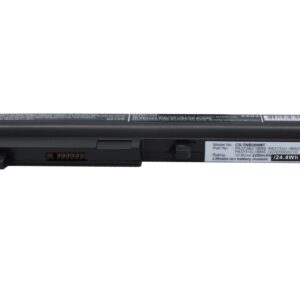
$60.31DELL 00JV6J, 04K8YH, 0JV6J, 0PGYK5, 8NWF3, GK5KY, OJV6J, P24T, P24T001, PGYK5 CS-DEP113NB
DELL7.6VDELL
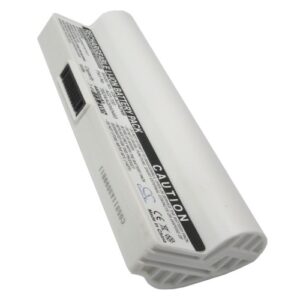
$52.50$60.37Toshiba GC02000XV10, L007221, PA3731U-1BRS, PA3732U-1BAS, PA3733U-1BRS, PA3734U-1BRS, PABAS209, PLL25C-00600C CS-TNB200MT
TOSHIBA10.8VToshiba
$52.50$60.37Acer UM09A31, UM09A41, UM09A71, UM09A73, UM09A75, UM09B31, UM09B34, UM09B71, UM09B73, UM09B7C, UM09B7D CS-ACZG7NK
Acer11.1VAcer
$52.50$60.37Dyson 17083-2811, 17083-3009, 17083-4211, 17083-5010, 18172-01-04, 18172-0201, 917083-03, 917083-05 CS-DYC310VX
Dyson22.2VDyson
$52.60$60.49Zebra AT16004, BTRY-MPP-34MA1-01, BTRY-MPP-34MAHC1-01, P1023901, P1023901-LF, P1031365-025, P1031365-059, P1031365-069, P1051378 CS-ZQL320BX
ZEBRA7.4VZebra
Lithium batteries come in various chemistries, including lithium-ion (Li-ion), lithium polymer (LiPo), and lithium iron phosphate (LiFePO4). Each chemistry has its own set of characteristics, such as energy density, safety, and cost.
Energy Density: One of the primary advantages of lithium batteries is their high energy density, which means they can store a significant amount of energy in a relatively small and lightweight package. This makes them ideal for portable devices where size and weight are crucial factors.
Rechargeability: Lithium batteries are rechargeable, allowing users to charge and discharge them multiple times. They have a relatively low self-discharge rate, which means they can hold their charge for extended periods when not in use.