-
$58.75
$67.56HP 804175-181, 804175-1B1, 804175-1C1, 805096-001, 805096-005, BG06045XL, BG06XL, HSTNN-IB6Z, HSTNN-Q99C CS-HPG104NB
HP11.4VHP
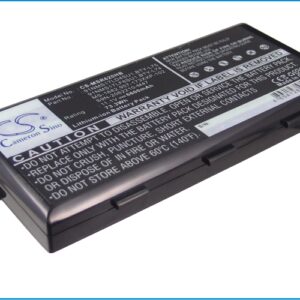
$58.75$67.56MSI 91NMS17LD4SU1, 91NMS17LF6SU1, 957-173XXP-101, 957-173XXP-102, BTY-L74, BTY-L75, MS-1682, S9N-2062210-M47 CS-MSR620HB
MSI11.1VMSI
$58.79$67.61DELL 0V0XTF, AM134C, DL011118-48P14G01, RU485, TKN25, TRDF3, V0XTF, VOXTF CS-DE5323NB
DELL14.8VDELL
Lithium batteries come in various chemistries, including lithium-ion (Li-ion), lithium polymer (LiPo), and lithium iron phosphate (LiFePO4). Each chemistry has its own set of characteristics, such as energy density, safety, and cost.
Energy Density: One of the primary advantages of lithium batteries is their high energy density, which means they can store a significant amount of energy in a relatively small and lightweight package. This makes them ideal for portable devices where size and weight are crucial factors.
Rechargeability: Lithium batteries are rechargeable, allowing users to charge and discharge them multiple times. They have a relatively low self-discharge rate, which means they can hold their charge for extended periods when not in use.