-
$65.30
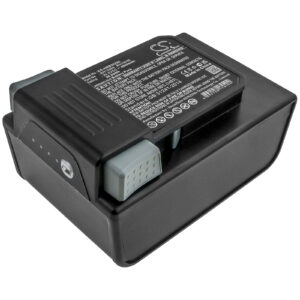
$75.10Hoover BH15030, BH15030C, BH15040, BH15260 BH15260PC, BH25040 CS-HRB5223X
Hoover20.0VHoover
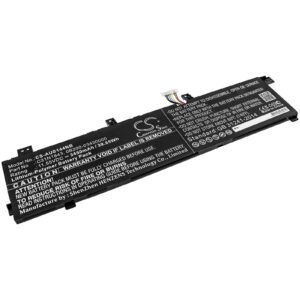
$65.00$74.75Asus 0B20-00KA0AS, 70-OA1B1B2100, 90-OA001B9000, 90-OA001B9100, 990AAS168288, AL31-1005, AL32-1005, ML31-1005, ML32-1005, PL31-1005, PL32-1005, TL31-1005 CS-AUL32DB
Asus10.8VAsus
$64.94$74.68Hitachi 326240, 326241, 327730, 327731, BCL 1815, BCL 1830, EBM 1815, EBM 1830 CS-HTB183PW
HITACHI18.0VHitachi
$64.94$74.68HP 6789116-005, 788237-2C1, 788237-2C2, 788237-2C3, 789116-005, HSTNN-DB6S, PK03056XL, PK03XL, TPN-Q157 CS-HPX134NB
HP11.4VHP
$64.94$74.68HP HSTNN-IB8K, KC04XL, L08496-855, L08544-1C1, TPN-W133, TPN-W136 CS-HPW133NB
HP15.4VHP
Lithium batteries come in various chemistries, including lithium-ion (Li-ion), lithium polymer (LiPo), and lithium iron phosphate (LiFePO4). Each chemistry has its own set of characteristics, such as energy density, safety, and cost.
Energy Density: One of the primary advantages of lithium batteries is their high energy density, which means they can store a significant amount of energy in a relatively small and lightweight package. This makes them ideal for portable devices where size and weight are crucial factors.
Rechargeability: Lithium batteries are rechargeable, allowing users to charge and discharge them multiple times. They have a relatively low self-discharge rate, which means they can hold their charge for extended periods when not in use.