-
$42.92
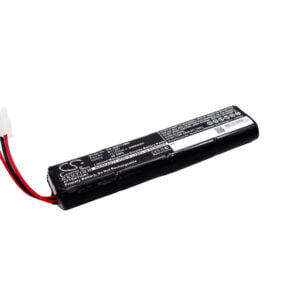
$49.36Hitachi 329369, 329370, 329371, 329389, 331065, BCL 1015, BCL 1030, BCL 1030M, BCL1030A CS-HTB103PX
HITACHI10.8VHitachi
$42.29$48.63Motorola PMNN4406, PMNN4406BR, PMNN4409, PMNN4409AR, PMNN4409BR, PMNN4412, PMNN4448, PMNN4489A, PMNN4490, PMNN4490A, PMNN4490B, PMNN4491, PMNN4493, PMNN4543, PMNN4543A, PMNN4544, PMNN4544A CS-MPR755TW
Motorola7.4VMotorola
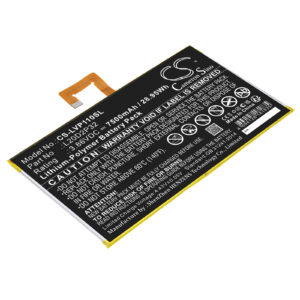
$42.29$48.63Lenovo L17C2PB3, L17C2PB4, L17L2PB3, L17L2PB4, L17M2PB3, L17M2PB4 CS-LVY530NB
Lenovo7.6VLenovo
Lithium batteries come in various chemistries, including lithium-ion (Li-ion), lithium polymer (LiPo), and lithium iron phosphate (LiFePO4). Each chemistry has its own set of characteristics, such as energy density, safety, and cost.
Energy Density: One of the primary advantages of lithium batteries is their high energy density, which means they can store a significant amount of energy in a relatively small and lightweight package. This makes them ideal for portable devices where size and weight are crucial factors.
Rechargeability: Lithium batteries are rechargeable, allowing users to charge and discharge them multiple times. They have a relatively low self-discharge rate, which means they can hold their charge for extended periods when not in use.