-
$39.90
$45.89HP 2ICP7/65/80, 849569-421, 849569-541, 849569-542, 849569-543, 849909-850, 849909-855, B07CL3RZK3, B07JH117H9, B07KM16PZ4, BP02041XL, BP02XL, HSTNN-LB7H, HSTNN-UB7B, TPN-Q172, TPN-Q175 CS-HPC150NB
HP7.7VHP
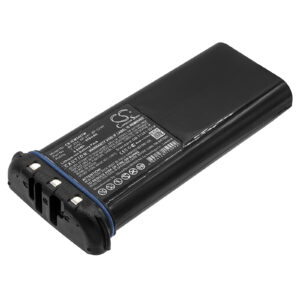
$39.11$44.98Motorola NNTN8128A, NNTN8129AR, NTN8128A, PMNN4406AR, PMNN4406BR, PMNN4424, PMNN4424A CS-MTK446TW
Motorola7.4VMotorola
Lithium batteries come in various chemistries, including lithium-ion (Li-ion), lithium polymer (LiPo), and lithium iron phosphate (LiFePO4). Each chemistry has its own set of characteristics, such as energy density, safety, and cost.
Energy Density: One of the primary advantages of lithium batteries is their high energy density, which means they can store a significant amount of energy in a relatively small and lightweight package. This makes them ideal for portable devices where size and weight are crucial factors.
Rechargeability: Lithium batteries are rechargeable, allowing users to charge and discharge them multiple times. They have a relatively low self-discharge rate, which means they can hold their charge for extended periods when not in use.