-
$19.70
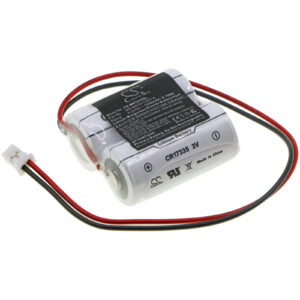
$22.66Panasonic A98L00310025, A98L-0031-0025, BR 2/3AGCT4A, BR2/3AGCT4A, BR-2/3AGCT4A CS-FN500SL
ALLEN BRADLEY6.0VPanasonic
$27.00$31.05Cutler Hammer A02B0120K106, A02B-0120-K106, A02B0130K106, A02B-0130-K106, A98L00310007, A98L-0031-0007, BR-CC7P, BR-CCF1TH, C52010, CR23500SE-CJ5 CS-PLC265SL
GE3.0VCutler Hammer
$23.67$27.22GE Fanuc A06B-0073-K001, A06B-6073-K005, A98L-0001-0902 CS-FN006SL
Cutler Hammer6.0VGE Fanuc
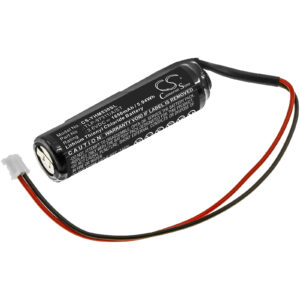
$32.50$37.38Yaskawa 142198, 142198-1, 3/LS14500, 3/LS14500-1, 3/LS14500-4, 3-142198-3, HW9470932-A, MOTO3.6/3 CS-YHW9470SL
Yaskawa3.6VYaskawa
Lithium batteries come in various chemistries, including lithium-ion (Li-ion), lithium polymer (LiPo), and lithium iron phosphate (LiFePO4). Each chemistry has its own set of characteristics, such as energy density, safety, and cost.
Energy Density: One of the primary advantages of lithium batteries is their high energy density, which means they can store a significant amount of energy in a relatively small and lightweight package. This makes them ideal for portable devices where size and weight are crucial factors.
Rechargeability: Lithium batteries are rechargeable, allowing users to charge and discharge them multiple times. They have a relatively low self-discharge rate, which means they can hold their charge for extended periods when not in use.